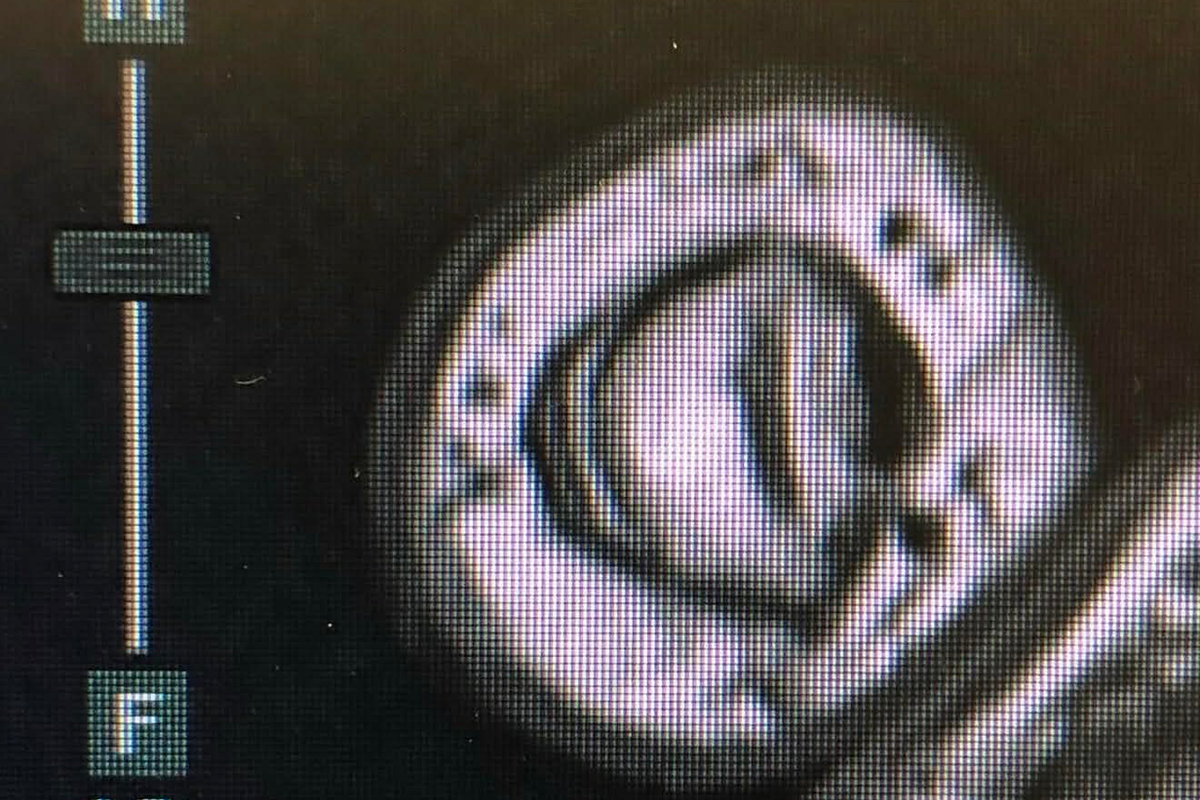
Imagine excruciating, stabbing pain in your fingertip—triggered by the slightest touch, a cold breeze, or bumping your finger on something. You’ve seen multiple doctors, had X-rays that look normal, and been told "nothing is wrong." If this sounds like your story, you may have a glomus tumor.
Glomus tumors are one of the most underdiagnosed conditions in hand surgery. They’re small, benign, and often invisible on standard imaging—but they cause pain that is wildly disproportionate to their size. The average patient sees three or more physicians before receiving the correct diagnosis.
What Is a Glomus Tumor?
A glomus tumor is a small (usually only a few millimeters) benign tumor that arises from a glomus body—a specialized structure in the skin that helps regulate blood flow and temperature. They occur most commonly under the fingernail (subungual location) but can develop anywhere in the hand or fingertip. Despite being tiny, they are packed with nerve fibers, which is why they cause such intense pain.
The Classic Triad of Symptoms
Glomus tumors are diagnosed primarily by their distinctive symptom pattern:
- Severe, localized pain—pinpoint tenderness that can be reproduced by pressing directly on the tumor. The pain is often described as electric or stabbing.
- Cold sensitivity—exposure to cold (cold water, air conditioning, reaching into a refrigerator) triggers or worsens pain dramatically
- Exquisite point tenderness—you can often identify the exact spot that hurts by pressing with the tip of a pen or paperclip
You may also notice a small bluish discoloration under the nail, a longitudinal ridge in the nail, or slight nail deformity. But in many cases, the nail looks completely normal externally.
Why Is It Often Missed?
Glomus tumors are rare (about 1–5% of all hand tumors), small enough to be invisible on X-ray, and not well-known outside of hand surgery. Patients are frequently misdiagnosed with nail bed infection, neuroma, arthritis, or complex regional pain syndrome. The key to diagnosis is a high index of suspicion based on the symptom pattern.
Diagnosis
An MRI with contrast is the imaging study of choice and can detect glomus tumors as small as 2–3mm. Ultrasound can also be helpful. However, the most important diagnostic tool is a careful clinical examination by a physician who knows what to look for. The Love test (pressing on the exact spot with a pinhead to reproduce pain) and the cold sensitivity test are highly reliable.
Treatment: Surgical Excision
The only effective treatment for a symptomatic glomus tumor is surgical removal. I perform this procedure under local anesthesia, often using magnification or a microscope. For subungual tumors, the nail is carefully elevated, the tumor is identified and excised from the nail bed, and the nail is replaced as a protective splint. The procedure takes about 30–45 minutes.
The relief is often dramatic and immediate. Many patients describe the absence of pain as life-changing after months or years of suffering.
Recovery
- Days 1–7: Mild fingertip soreness, protective dressing
- Weeks 2–4: Nail regrowth begins, dressing removed
- Months 3–6: Complete nail regrowth (nails grow slowly—about 3mm per month)
Recurrence after complete excision is uncommon (less than 10%), but if symptoms return, re-excision is straightforward.
Don’t Suffer in Silence
If you’ve been dealing with unexplained, severe fingertip pain that worsens with cold, you deserve an answer. I evaluate and treat glomus tumors for patients throughout the Phoenix area—Scottsdale, Mesa, Chandler, Gilbert, and beyond. A proper diagnosis can change your life.
Call (602) 258-4788 or visit toddrichardsmd.com to book an appointment with Dr. Todd Richards. Most insurance plans accepted. Same-week appointments often available.